
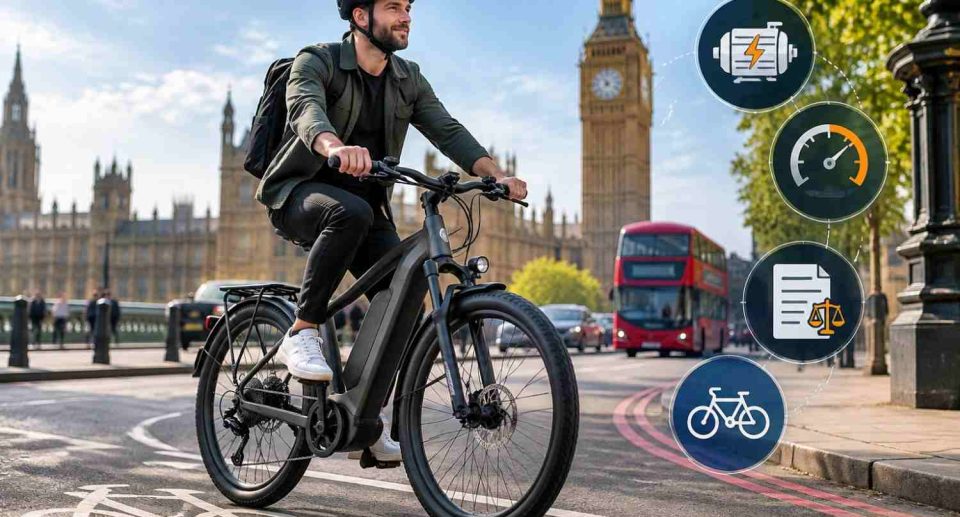
People are now choosing electric bikes as a practical way to travel across the UK. Whether commuting to work, running daily errands, or enjoying leisure rides, e-bikes provide an eco-friendly alternative to traditional transport. Unlike standard bicycles, e-bikes provide pedal-assisted power that makes cycling easier, especially on steep hills or long journeys.
As more riders now use E-bikes, it is important to understand the laws about their use. The UK has specific rules about where you can ride e-bikes, how powerful they can be, and what equipment they must have. Understanding these regulations helps riders stay safe, avoid legal issues, and enjoy the benefits of e-biking responsibly.
The Legal Requirements of an Electric Bike
In the UK, if an electric bike adheres to EAPC regulations, it qualifies as a standard bicycle. If it does, you can ride it without having any licence, registration, or insurance.
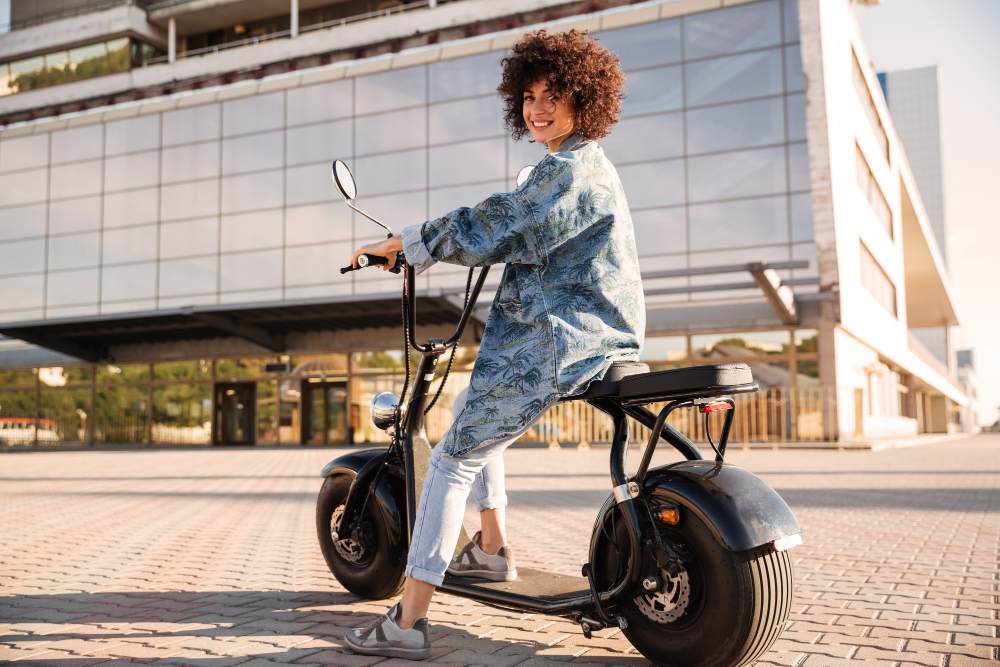
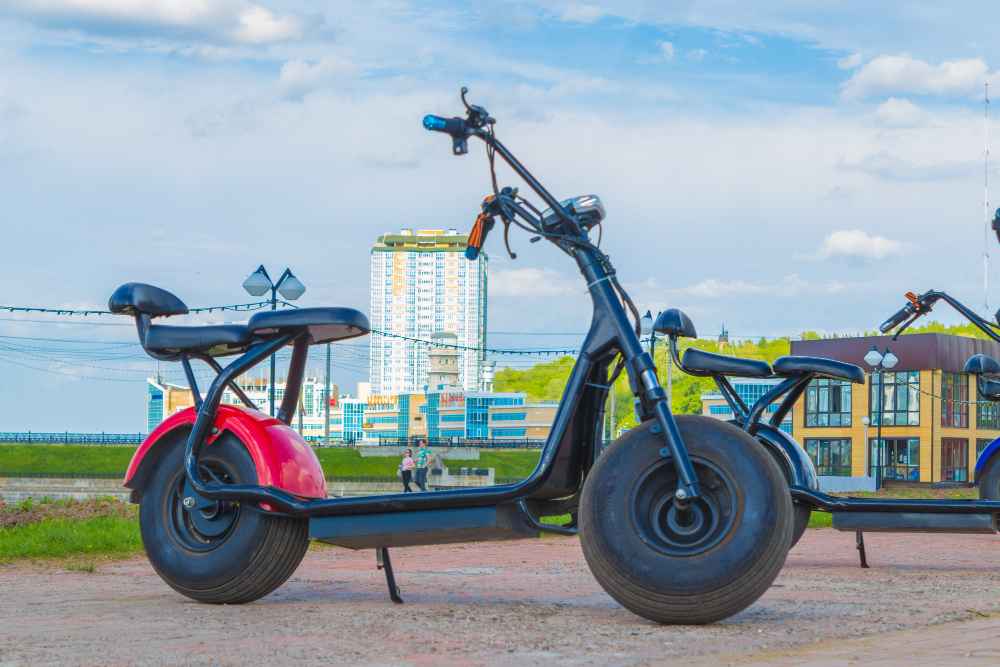
No Throttle-Only Bikes without type approval: Electric bikes that move using a throttle without the rider pedalling are treated differently under the law. These e-bikes are classified as mopeds or motorcycles instead of standard e-bikes, so they must follow the same laws as other motor vehicles. Riders need a valid driving licence, the vehicle must be registered and insured, and an approved helmet must be worn while riding.
Power and Speed Limitations: Under UK regulations, electric bikes must follow strict technical limits to be legally treated as normal bicycles. The electric motor can only provide up to 250 watts of continuous power. When the bike reaches 15.5 mph, the motor assistance must stop automatically. These limits ensure that e-bikes remain closer in function to traditional bicycles rather than motor vehicles. If a bike exceeds these specifications, it no longer qualifies as a standard e-bike under the law. Bikes with higher motor power, such as 350W or 500W, are generally classified as light electric mopeds rather than regular bicycles.
No Modifications: If you want to make your electric bike faster or more powerful, the temptation to modify it can be strong. Doing so can change its legal status. Once modifications go beyond the EAPC limits set for standard e-bikes, they are no longer treated as a bicycle under UK law. Additionally, you cannot use them on public roads without compliance. As a result, the modification will become a legal headache.
E-bike Identification: It is helpful for an e-bike to have a clear label showing its key details. These key details should be about the manufacturer, voltage, and maximum continuous motor power. This information confirms that the bike meets legal requirements for use as an electric bicycle in the UK. Because e-bikes are legally treated the same as regular bicycles, they do not require number plates or vehicle registration. In general, e-bikes are far lighter and slower than cars, which means the risks involved in accidents are significantly lower.
Age Restrictions: Although there is no need for a license, Insurance, or a helmet for an electric bike, if you want to ride it, you must be 14 years of age.
Do you need Insurance for an e-bike?
Unlike mopeds or motorcycles, electric bikes in the UK do not require insurance. However, many riders still choose to insure their e-bikes for extra financial protection. Electric bikes can be expensive, and repairing or replacing them is costly. An insurance policy can help cover these unexpected expenses and provide peace of mind. This can be especially important for people who depend on their e-bike for daily travel, commuting, or regular errands. Having Insurance ensures that if something goes wrong, you are not left without transportation or facing a large replacement cost.
Do you need a licence to ride an e-bike?
If an electric bike follows EAPC rules, you can ride it on UK roads without a driving licence. These bikes are treated like regular bicycles as long as they meet pedal-assist and motor limits. However, bikes that can move using a throttle without the rider pedalling are not covered by these regulations. In such cases, the vehicle is considered a motor vehicle under UK road legislation. This means it must be registered with the licensing authority and meet additional legal requirements, such as vehicle tax, Insurance, and proper approval, before it can be used on public roads.
Is it legal to ride an e-bike on the pavement?
If you are a new electric bike rider, this question might come to mind: Can I ride my bike on pavements? In the UK, riding your electric bike on the pavement is illegal. You can only ride when the pavement is selected as a shared-use path. Pavements are made for walking, not for cycling; cycling on them can pose a safety risk. There are some specific shared-use paths where you can ride your E-bike, and they are clearly marked. Remember, cycling on prohibited pavement can result in a fine. Check signs to see if riding is allowed.
Why does the UK e-bike law matter?
Understanding and adhering to e-bike laws is more than just avoiding penalties. These rules are key to safety, sustainability, and the future of city travel.
- E-bikes support greener, healthier travel: They help reduce inactivity, cut congestion, improve air quality, and can contribute to lowering the NHS obesity costs and economic losses from traffic delays.
- Legal compliance ensures safety: Following UK e-bike laws protects riders, pedestrians, and other road users while allowing riders to enjoy e-bikes without risking fines or penalties.
- Illegal modifications cause confusion: Throttle or overpowered kits have been misrepresented in the media, unfairly linking standard pedal-assist e-bikes with unsafe or illegal vehicles.
- Policy responses can be overreaching: Blanket restrictions, such as Transport for London’s ban on non-folding e-bikes on certain rail routes, often target legal bikes due to isolated incidents involving modified bikes.
- Industry safety standards are strong: Reputable e-bike manufacturers use severe testing, certification, and a voluntary register to ensure products are safe.
- UK regulations align with Europe: Maintaining consistency with EU e-bike standards ensures continued market availability and high safety standards for customers.
Conclusion
Understanding the UK electric bike laws is very important for every rider who wants to enjoy their e-bike safely and without any legal trouble. As long as your e-bike complies with the EAPC standards, you can ride without a licence or Insurance. However, it is key to stay within the legal limits and avoid unnecessary modifications, as even minor changes can affect your bike’s classification. By following the rules, you can enjoy your e-bike while staying safe and compliant on UK roads.