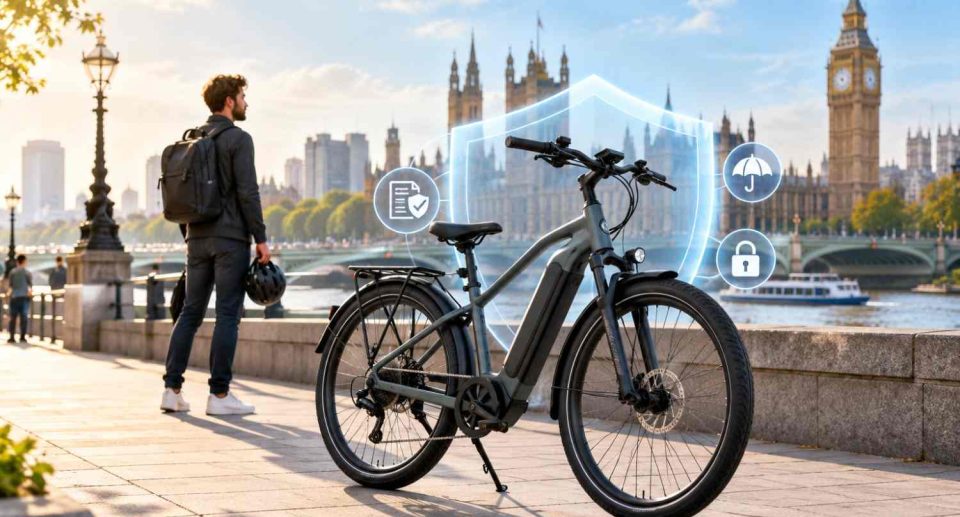

In the UK, electric bikes are becoming the favourite mode of transport. Many people choose e-bikes to reduce travel costs and produce less pollution. However, because of the unpredictable weather in the UK, a common query frequently arises. Are e-bikes waterproof? Since electric bikes depend on their batteries and motors, most people worry about safety and durability in wet conditions.
Most electric bikes come with some level of water resistance. Manufacturers design key parts such as batteries, motors, and wiring to withstand light rain and splashes. However, water resistance does not always mean the bike is fully waterproof.
Why Full Waterproofing Is Uncommon?
Most e-bike riders do not require complete full waterproofing since they mainly use their bikes for commuting or leisurely rides, which often involve only light rain or wet roads. As a result, manufacturers create water-resistant designs instead of fully waterproof ones. Because full waterproofing adds unnecessary weight and cost. Water-resistant e-bikes can be ridden in light rain and wet conditions.
Understanding Water Resistance vs Waterproofing
Electric bikes are not fully waterproof, but they are water-resistant. Due to the sealed gears and protective coatings, they can handle sprinkles, splashes, and puddles. Electric bikes are not made for full submersion.
Waterproof
When an electric bike is designed to prevent water from entering it during heavy rain, it is considered waterproof. To create a water barrier, an electric bike has specialised cover, construction, and layers. These sealants prevent water from entering the sensitive parts of the E-bike, including the battery, electronics, and motor. Moreover, an electric bike is built to endure immersion in water for a specific period without suffering damage.
Water-Resistant
Rather than waterproof, e-bikes are made to be water-resistant. They can repel water to some extent, but not against long exposure or submersion. Electric bikes labelled as water-resistant are designed with protective seals and specialised coatings that help shield key components from moisture. They can typically operate in light rain or on wet roads without immediate problems. However, they are not fully waterproof, so prolonged exposure to heavy rain, deep puddles, or submersion can still damage the electrical system and battery.
Waterproofing Measures Taken by Manufacturers
Sealed Connectors and Wiring
Electric bikes rely on cables and connectors to transfer power from the battery to the motor and electronics. Because these parts are essential for the bike’s operation, manufacturers design them with protective seals and insulation to keep moisture out. This protection helps prevent water from entering the electrical connections, reducing the risk of short circuits when riding in light rain or wet conditions.
Protective Housing for the Controller and Battery
Manufacturers focus on protecting the most sensitive electronic parts of an e-bike, such as the controller and battery. These components are usually enclosed, reducing the chance of water reaching the internal electronics during everyday riding.
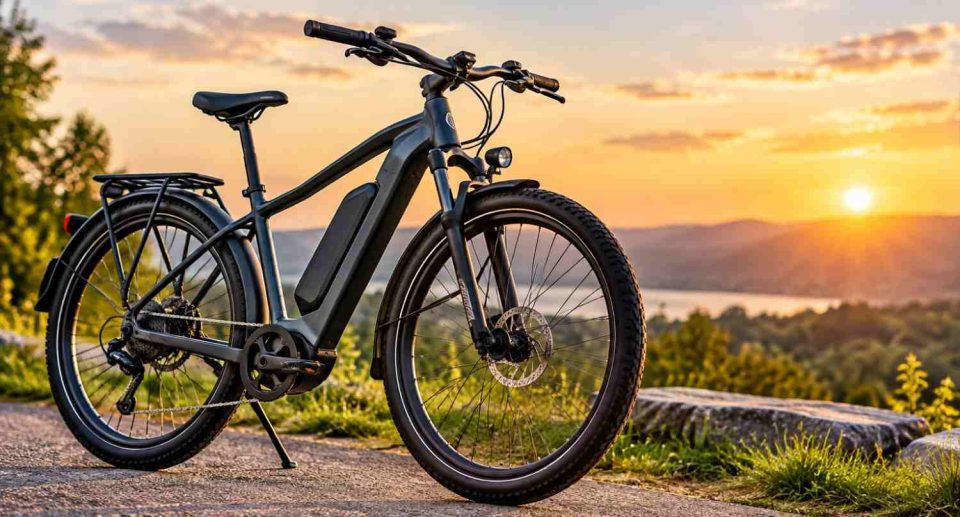
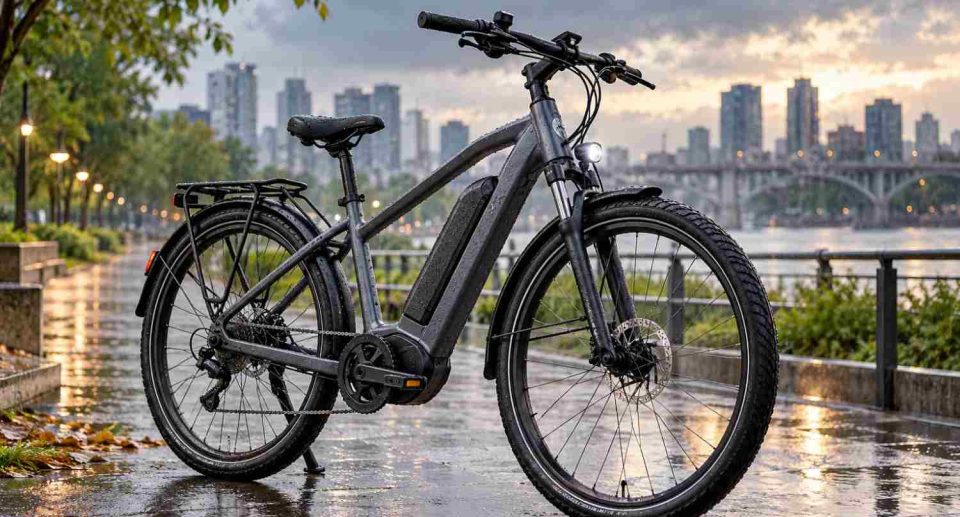
In addition, the battery is typically located in an elevated position, such as on the bike’s frame or a rear rack. This placement helps keep it from direct contact with road water. Even if the bike passes through shallow puddles, the raised position and protective casing help keep the battery and controller safe from moisture.
Water-Resistant Display Panels
The display screen on an all-terrain electric bike is mounted on the handlebars. This makes it one of the most exposed parts of the bike during rain. To handle this exposure, manufacturers design the display with protective sealing. It helps keep water from entering the internal electronics. Because of this added protection, riders can continue to monitor key information such as speed, battery level, and trip data even in wet weather.
IP Ratings and Their Significance
The term IP rating refers to Ingress Protection, a standard that indicates how well an electronic device is protected from external elements such as dust and water. This rating helps riders understand how resistant an electric bike’s electrical components are to environmental exposure.
An IP rating is written with two numbers. The first number shows protection against dust, while the second indicates water resistance. In general, a higher IP rating means the e-bike’s components are better protected against these elements, making them more reliable when riding in dusty or wet conditions.
Factors That Impact the Water Resistance of Electric Bikes
Electric bikes vary widely in their ability to handle rain and wet conditions. The level of protection depends on several key factors that determine how well the bike’s components resist moisture, splashes, and road spray.
Material Quality Matters: The materials used in an e-bike play a major role in how well it handles moisture. Parts made from aluminium or stainless steel are less likely to rust or corrode. Protective elements, such as rubber gaskets and plastic covers, also help prevent water from reaching sensitive electrical components.
Designed with protection in mind: Well-built e-bikes are designed to reduce the risk of water exposure. Manufacturers often use sealed housings, protected cable routing, and tight-fitting joints to keep moisture away from critical parts. Components like the battery and motor are kept in strong casings to protect them from rain and splashes.
The manufacturer’s role: Trusted e-bike brands typically invest in testing and quality checks to ensure their products meet certain durability and water-resistance standards. Choosing a reputable manufacturer can increase confidence that the bike is designed to handle everyday weather conditions.
Maintenance is key: Even a well-protected e-bike requires proper upkeep. Checking seals, wiping down the bike after wet rides, and storing it in a dry place can help prevent moisture-related damage. Routine maintenance ensures the bike continues to perform well over time.
Conclusion
Electric bikes are not fully waterproof, but they can handle daily wet weather. Most modern e-bikes include water-resistant features that allow riders to travel safely in light rain and through small puddles. These protective designs make electric bikes suitable for the unpredictable weather frequently experienced in the UK. However, riders should still avoid continued exposure to water, such as deep puddles, heavy flooding, or submersion of the bike.